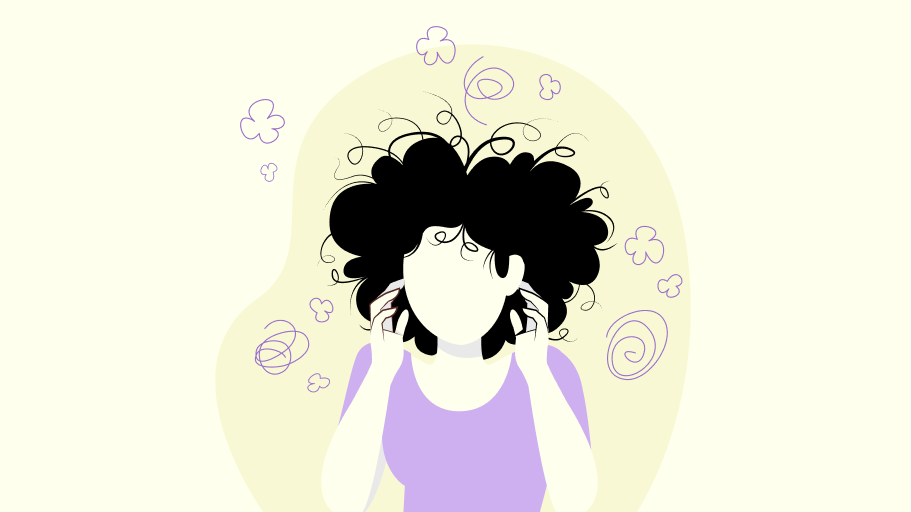
When most people think about anxiety, they picture someone visibly nervous: shaking hands, racing thoughts, social fear. That picture is real, but it is partial. A significant number of people with clinical anxiety do not recognise it as anxiety because the symptoms they are experiencing do not match that image. They are exhausted, not nervous. They are constantly irritable, not visibly worried. They have a stomach that does not work properly and a jaw they wake up clenching.
The WHO estimates that anxiety disorders affect approximately 301 million people globally, making them the most common mental health condition worldwide. Yet research consistently shows significant underdiagnosis, particularly for presentations that do not match the stereotyped picture. Signs of anxiety are far more varied than the mainstream image suggests. This blog covers nine of the most commonly missed ones, and what they actually mean.
1. Chronic Fatigue That Rest Does Not Fix
Persistent, unexplained exhaustion is one of the most consistently missed signs of anxiety. The physiological reason is straightforward: sustained anxiety keeps the nervous system in a low-grade alert state. The body is expending energy on vigilance, on processing threat signals, and on managing the muscular tension that accompanies chronic stress, all day, every day.
This fatigue does not resolve with sleep, because the sleep of anxious people is often fragmented, lighter, and less restorative. The person wakes tired, spends the day tired, and has no explanation for it because they are not visibly doing anything that should be this draining. When exhaustion is the primary presenting complaint, anxiety is frequently not the first thing investigated.
2. Digestive Problems With No Medical Cause
The gut-brain connection is bidirectional and well-established. Anxiety and the body are deeply linked: the enteric nervous system in the gut contains approximately 100 million neurons and is in continuous communication with the brain via the vagus nerve. When the stress response is chronically activated, the digestive system is directly affected.
IBS, nausea, frequent stomach upset, diarrhoea before stressful events, and unexplained gut discomfort are all physical symptoms of anxiety. Many people spend years being investigated for gastrointestinal conditions before the anxiety component is identified. If gut symptoms fluctuate with stress levels and have no identifiable medical cause, anxiety is a significant possibility worth exploring.
3. Muscle Tension, Jaw Clenching, and Headaches
Chronic muscle tension is a direct sign of anxiety that is rarely identified as such. The stress response prepares the body for physical action: muscles tighten in readiness. When the activation is chronic rather than acute, this tension becomes baseline. People clench their jaws during the day and grind their teeth at night (bruxism). They carry their shoulders near their ears. They have tension headaches that come from the neck and temples.
Most people who present with these symptoms see a dentist, a physiotherapist, or a GP about the physical complaint. The anxiety maintaining it is often not part of the conversation unless someone thinks to ask about it specifically.
4. Irritability and a Short Fuse
Irritability is one of the most consistently underrecognised signs of anxiety, particularly in adults. When the nervous system is chronically over-activated, tolerance for frustration drops. Small inconveniences produce large reactions. The person often experiences this as a character problem (being short-tempered, difficult to be around) rather than a symptom of a treatable condition.
In children and adolescents, irritability is actually listed as a primary symptom of generalised anxiety disorder signs in the DSM-5, partly because young people often lack the vocabulary to describe internal anxiety and express it behaviourally instead. In adults, the same pattern occurs but is less recognised because adults are expected to manage their emotions.
If several of these patterns are familiar and you have not connected them to anxiety before, that recognition is worth following up on. The Therapy Park offers assessment and therapy for anxiety in all its presentations, in Kolkata and online across India.
5. Difficulty Concentrating or a Mind That Goes Blank
Anxiety is cognitively expensive. Chronic worry and hypervigilance consume significant attentional resources, leaving fewer available for concentration, memory retrieval, and sustained focus. People with anxiety often describe their mind going blank under pressure, difficulty reading because the words do not stick, or a general sense that their thinking is slower or less reliable than it used to be.
This is frequently misattributed to burnout, ADHD, or just “getting older.” In people with anxiety without nervousness as a primary complaint, cognitive difficulties are often the most distressing symptom because they affect work performance and self-esteem in ways that are concretely measurable.
6. Avoidance That Has Become So Normal You No Longer Notice It
Behavioural avoidance is a core feature of anxiety disorders, and it is one of the signs of anxiety in daily life that is most often invisible because it has been normalised over years. The person is not avoiding because they are obviously scared. They have stopped doing things: stopped calling people they feel uncertain about, stopped applying for opportunities that might involve rejection, stopped going to certain places, stopped initiating conversations that might be uncomfortable.
Each individual avoidance seems reasonable. Taken together, they represent a pattern of life-contraction driven by anxiety. The world gets smaller in a way that is so gradual that it often is not noticed until something specific makes the contrast obvious.
7. Perfectionism and Difficulty Making Decisions
Perfectionism is not a personality trait in isolation. It is frequently an anxiety management strategy. If everything is done perfectly, nothing can go wrong. If a decision is not made, the outcome cannot be bad. Signs of anxiety in achievement-oriented people often look like very high standards, significant difficulty delegating, procrastination on important decisions, and a persistent sense that what they produce is not yet good enough.
The anxiety underneath the perfectionism is about consequences: fear of failure, fear of judgment, fear of being exposed as inadequate. Perfectionism is the behaviour that tries to prevent those outcomes. It is exhausting to maintain, and it rarely produces the safety it promises.
8. Sleep Problems Beyond Simple Insomnia
Difficulty falling asleep because of a busy mind is the most recognised sleep sign of anxiety. But physical symptoms of anxiety during sleep extend further: waking between 2AM and 4AM with a sense of dread, inability to go back to sleep because the mind immediately engages, vivid or distressing dreams, and waking that feels unrefreshed regardless of hours slept.
The relationship between anxiety and sleep is bidirectional. Anxiety disrupts sleep, and poor sleep lowers the threshold for anxious responding the next day. Without intervention, the cycle sustains itself independently of whatever originally triggered the anxiety.
9. Physical Symptoms During Calm Periods That Make No Medical Sense
One of the most confusing signs of anxiety is physical symptoms that arise when nothing obviously stressful is happening. Heart palpitations on a Sunday morning. Shortness of breath while reading. A sudden sense of unease with no apparent cause. For people who do not identify as anxious, these episodes are often alarming and prompt medical investigation.
The explanation is that anxiety operates below conscious awareness in many people. The body is responding to internal threat signals that the person is not registering cognitively. Anxiety and the body are not always in conscious dialogue: the nervous system can be chronically activated while the person’s self-reported experience is “I do not really feel anxious.” This is particularly common in people who have carried anxiety for so long that it has become their baseline normal.
Frequently Asked Questions
Can you have anxiety without feeling nervous?
Anxiety without nervousness is more common than the mainstream understanding suggests. Anxiety is a physiological state, and it can manifest primarily through physical symptoms (fatigue, gut problems, muscle tension, heart palpitations) or behavioural symptoms (avoidance, perfectionism, irritability) without the person reporting a primary subjective feeling of nervousness. This is one reason anxiety is frequently underdiagnosed.
What are the physical symptoms of anxiety most people miss?
The physical symptoms of anxiety most often missed include: chronic fatigue, persistent muscle tension, jaw clenching and bruxism, unexplained gut problems (IBS, nausea, stomach upset), unexplained heart palpitations, tension headaches, and tingling or numbness sensations. These symptoms are frequently investigated medically without the anxiety component being identified.
What are the signs of generalised anxiety disorder?
Generalised anxiety disorder signs include excessive, difficult-to-control worry about multiple domains of life, occurring more days than not for at least six months, accompanied by at least three of: restlessness, fatigue, difficulty concentrating, irritability, muscle tension, and sleep disturbance. It does not require the person to feel visibly nervous. The worry can be low-grade and persistent rather than acute and obvious.
When should I see a therapist for anxiety?
When anxiety in daily life is affecting your sleep, your relationships, your work performance, your physical health, or your ability to do things you want to do, and self-management strategies are not shifting it, professional support is appropriate. You do not need to be in crisis to seek help. Many people who benefit most from therapy come in with the vague sense that something is off, not a clear diagnosis.
Final Thoughts
The signs of anxiety extend well beyond what most people expect. Fatigue, irritability, gut problems, perfectionism, avoidance: none of these look like stereotyped anxiety. But each of them can be maintaining a physiological state that is genuinely disabling and genuinely treatable.
At The Therapy Park, therapy for anxiety in all its presentations is available with practitioners who understand how it actually shows up in daily life, not just in textbooks. In-person in Kolkata and online across India.