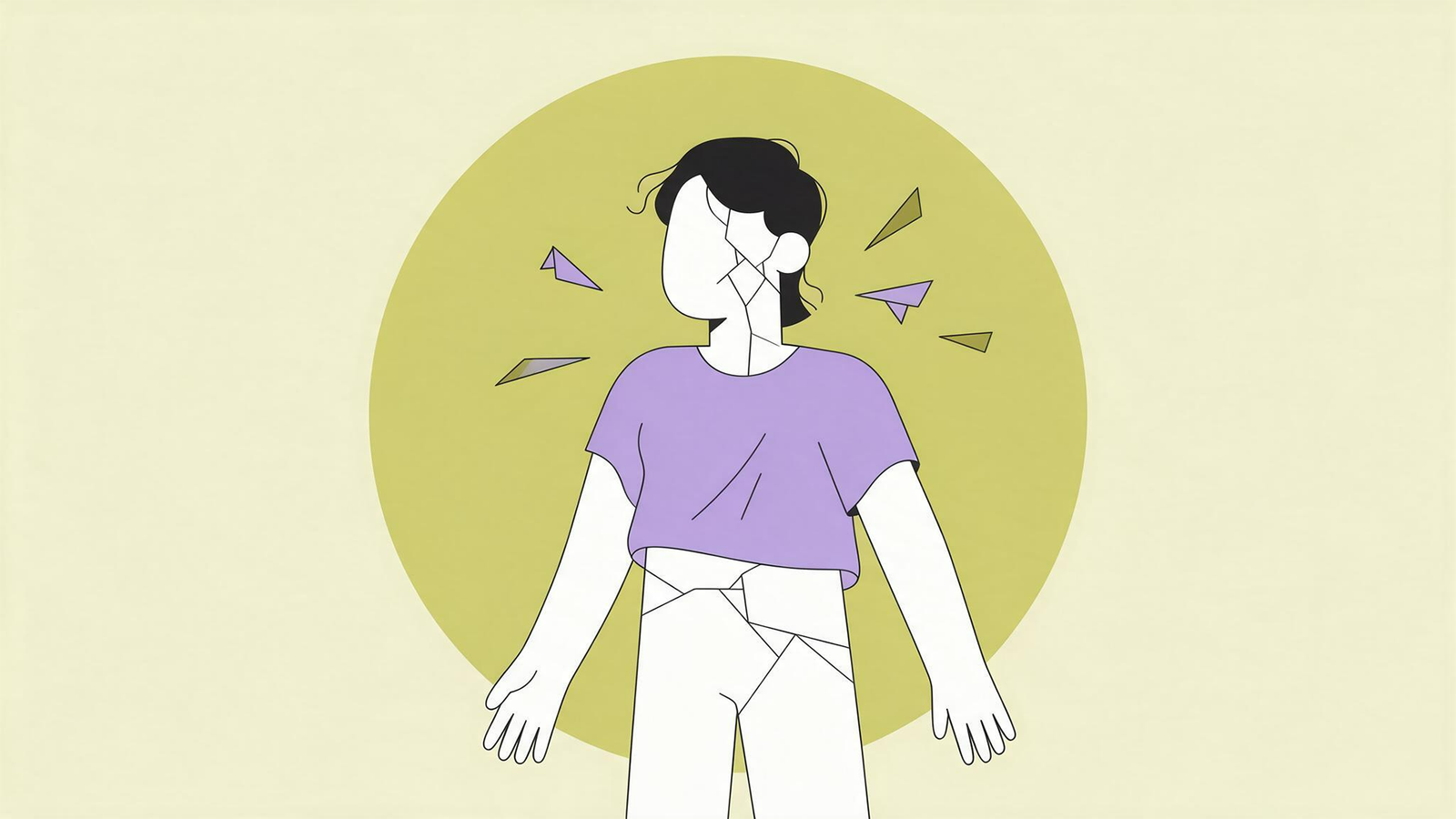
There is no photograph you could take. No mark that would make sense to a doctor, a friend, or a court. And yet something is being done to you, repeatedly, deliberately, that is reshaping how you think, how you trust yourself, and how safe you feel in your own life. This is the particular difficulty of signs of emotional abuse: they leave no bruises, which is precisely what makes them so easy to dismiss, minimise, or miss entirely, including by the person experiencing them.
Research summarised by EBSCO defines emotional abuse as any form of nonphysical mistreatment involving repeated threats, manipulation, intimidation, and isolation, causing the person subjected to it to experience chronic anxiety, fear, self-blame, and worthlessness. Though it is harder to identify than physical or sexual abuse, clinical research reviewed by EBSCO indicates psychological abuse is believed to be more common than physical abuse and equally damaging. This blog covers the signs of emotional abuse that are most often missed, what the research shows about its actual effects, and what healing from emotional abuse involves.
What Actually Counts as Emotional Abuse
Psychological abuse targets a person’s mental well-being rather than their body. It is often subtle and cumulative rather than a single dramatic event, which is part of what makes it so hard to name in the moment. It typically involves sustained patterns rather than isolated incidents:
- Sarcasm, criticism, or demeaning comments delivered privately or in front of others
- Name-calling and repeated undermining of accomplishments, plans, or interests
- Excessive control over behaviour, relationships, spending, or movement
- Repeated reminders of past mistakes, used to maintain leverage
- Blaming the other person for the abuser’s own unhappiness or poor behaviour
- Withholding affection or communication as a deliberate form of punishment
Signs of Emotional Abuse People Often Miss
Some signs of emotional abuse are recognisable immediately. Others accumulate so gradually that the person experiencing them adapts without noticing the adaptation itself.
- A persistent sense of walking on eggshells, adjusting your behaviour to manage someone else’s mood before anything has even happened
- Confusion or disorientation about your own memory of specific conversations or events
- Hesitation to speak openly, even about ordinary things, out of anticipation of a negative reaction
- Sudden, disproportionate anger from the other person with no apparent cause
- Feeling extremely withdrawn, non-communicative, or emotionally shut down around one specific person
- A growing sense of helplessness that is difficult to explain to people outside the relationship
Suppose any of this feels familiar, whether from a relationship, a family dynamic, or a workplace; that recognition is worth taking seriously. The Therapy Park offers therapy for people processing emotional abuse and its lasting effects, in Kolkata and online across India.
Emotional Abuse vs Physical Abuse: Why One Is Not Worse
The instinct to rank emotional abuse vs physical abuse as more or less serious is understandable, and clinically inaccurate. Research summarised by Medical News Today documents that emotional abuse produces measurable physical effects too: frequent crying, moodiness, aches and pains, difficulty concentrating, and muscle tension, alongside longer-term outcomes including loss of sense of self, chronic self-doubt, depression, anxiety, substance misuse, and chronic pain.
The absence of a visible injury does not mean the absence of harm. It means the harm is harder to point to, harder to prove, and often harder for the person experiencing it to justify seeking help for, which is part of why emotional abuse vs physical abuse comparisons matter less clinically than recognising both as forms of genuine harm deserving genuine support.
Gaslighting and Emotional Abuse: The Reality-Distortion Piece
The connection between gaslighting and emotional abuse is close enough that gaslighting is considered one of its defining tactics. It involves systematically undermining someone’s confidence in their own perception of reality, denying events that happened, insisting memories are wrong, or reframing legitimate concerns as overreactions.
This particular tactic compounds the difficulty of recognising abuse in the first place, because it directly targets the tool a person would normally use to notice something is wrong: their own judgement. Someone experiencing sustained gaslighting and emotional abuse often arrives at the point of seeking help already doubting whether their experience qualifies as abuse at all.
Psychological Abuse Effects: What the Research Actually Shows
The psychological abuse effects documented in clinical research are substantial, and increasingly understood at a neurological level, not just a behavioural one.
- PTSD rates of 45 to 64% across studies of psychological abuse survivors, according to a review of the peer-reviewed literature
- Depression rates of 47.6% documented in a meta-analysis of 18 studies among intimate partner violence populations
- Hippocampal volume reduction, affecting memory formation and contextual processing
- Amygdala enlargement and sensitisation, producing a heightened threat response and difficulty with emotional regulation
- HPA axis dysregulation, altering baseline cortisol levels and stress reactivity in ways that can persist long after the relationship ends
Emotional Abuse in Relationships: The Cyclical Pattern
A recognisable feature of emotional abuse in relationships is its cyclical structure, often described clinically as tension-building, an incident, and a temporary calm or “honeymoon” phase. EBSCO’s overview of emotional abuse notes that this cycle significantly complicates the decision to leave, because the calm periods create genuine hope that things have changed, even when the underlying pattern has not.
Understanding this cycle is not about predicting exactly when the next incident will happen. It is about recognising that a good week, or even a genuinely warm month, does not retroactively cancel out a documented pattern. Emotional abuse in relationships is defined by the pattern over time, not by any single period within it.
Recognising a pattern like this, especially while still inside it, is genuinely disorienting. The Therapy Park offers a judgment-free space to work through what is happening and what support might look like in Kolkata and online across India.
Healing From Emotional Abuse: What Helps
Genuine healing from emotional abuse tends to involve several distinct pieces of work, not a single conversation or realisation.
- Rebuilding trust in your own perception: Sustained gaslighting specifically erodes confidence in your own judgement. Recovery involves deliberately practising trust in what you observe and feel, often with outside support at first
- Processing the abuse as a genuine injury, not an overreaction: Because there is no visible wound, survivors frequently minimise what happened. Naming it accurately is part of the recovery itself.
- Addressing the physiological aftermath: Given the documented effects on stress reactivity and emotional regulation, therapy that engages the nervous system directly, not just the narrative, is often necessary alongside talk-based processing.
- Working with a trauma-informed practitioner: Given the elevated rates of PTSD and depression among survivors of psychological abuse, working with someone trained specifically in trauma produces meaningfully better outcomes than general supportive counselling alone.
Frequently Asked Questions
What are the clearest signs of emotional abuse?
The clearest signs of emotional abuse include a persistent sense of walking on eggshells, confusion about your own memory of events, hesitation to speak openly, disproportionate anger from the other person, and a growing sense of helplessness that is hard to explain to people outside the situation. These often accumulate gradually rather than arriving all at once.
Is emotional abuse really as serious as physical abuse?
Yes. The emotional abuse vs physical abuse comparison is less clinically useful than it might seem, because research documents serious physical, psychological, and neurological effects from emotional abuse alone, including elevated PTSD and depression rates and measurable changes in brain regions involved in memory and threat response.
How does gaslighting relate to emotional abuse?
Gaslighting and emotional abuse are closely linked, with gaslighting functioning as one of emotional abuse’s most damaging tactics. It works by undermining a person’s trust in their own perception of reality, which makes the broader pattern of abuse significantly harder to recognise and name.
What does healing from emotional abuse actually involve?
Meaningful healing from emotional abuse typically involves rebuilding trust in your own perception, reframing the experience as a genuine injury rather than an overreaction, addressing the physiological aftermath through nervous-system-informed approaches, and working with a practitioner trained specifically in trauma. This process takes time and is rarely linear.
Final Thoughts
The absence of a bruise was never proof that nothing happened. The signs of emotional abuse are quieter, harder to point to, and just as capable of reshaping a person’s sense of safety and self. Recognising the pattern for what it is, whether you are still inside it or have already left, is the first real step toward healing from emotional abuse.
At The Therapy Park, trauma-informed therapy for people navigating emotional abuse in relationships and its aftermath is available with practitioners who understand both the psychological and neurological dimensions. In-person in Kolkata and online across India.