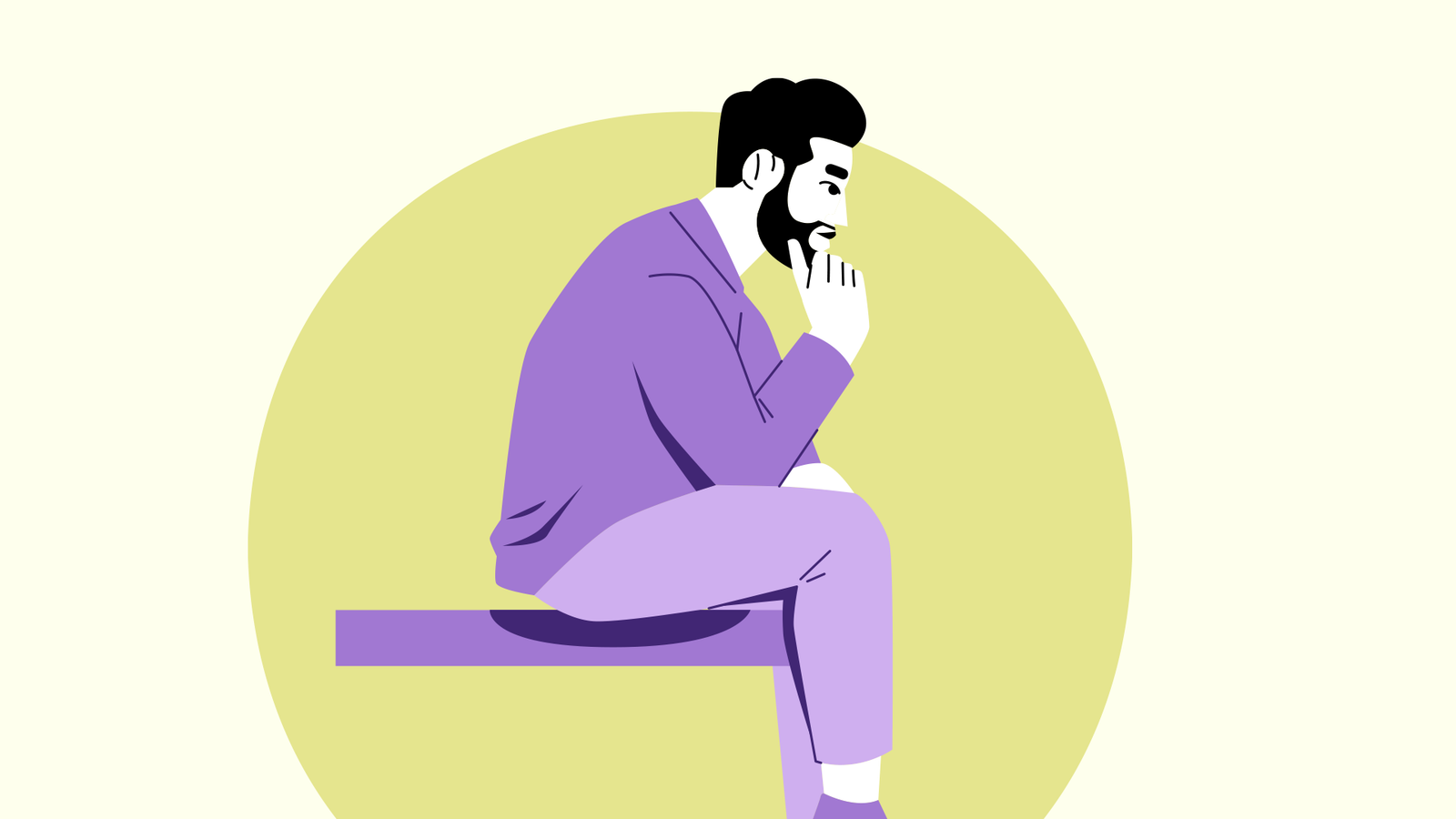
You cannot remember the last time you said no and meant it. You agree before you have actually thought about whether you want to. You apologise for things that were not your fault, sometimes before the other person has even finished speaking. From the outside, this looks like kindness. From the inside, it feels like slowly disappearing.
These are people-pleasing symptoms, and they are not simply a personality quirk or an excess of good manners. Clinical research on the fawn response, reviewed by Therapy Group of DC, identifies chronic people-pleasing tendencies, difficulty setting boundaries, guilt when prioritising your own needs, and suppressing your own emotions as core symptoms of a trauma-shaped survival pattern, not a character trait. This blog covers where people-pleasing symptoms actually come from, what the fawn response is, and what genuinely helps once you recognise the pattern in yourself.
What People Pleasing Symptoms Actually Look Like
The people-pleasing symptoms that show up day to day are often mistaken for good character, which is exactly why they go unaddressed for years.
- Saying yes automatically, before you have had time to actually check in with what you want
- A reflex to apologise, even for things that were not your responsibility
- Chronic exhaustion from managing other people’s moods alongside your own
- A sense of identity built almost entirely around being helpful, agreeable, or easy to be around
- Suppressing your actual opinions in conversations to avoid disagreement
- Feeling responsible for fixing other people’s problems, even uninvited
The Fawn Response: Why People-Pleasing Is a Trauma Response, Not a Personality Trait
The fawn response is the least discussed of the four primary trauma reactions: fight, flight, freeze, and fawn. Where the first three are widely recognised, fawning often goes unnamed because it does not look like fear. It looks like helpfulness.
The term was coined by therapist Pete Walker, who described people with a dominant fawn response as merging with the wishes and demands of others to the point that they instinctively treat the forfeiture of their own needs as the entry cost of any relationship. Research grounded in polyvagal theory, developed by Dr Stephen Porges and summarised by CPTSD Foundation, explains why this happens biologically: when fight, flight, or freeze are not viable options, often the case in childhood environments involving relational threat, the nervous system defaults to appeasement to preserve connection and reduce immediate danger.
Nicole’s Neuroscience Collective’s clinical summary ties this directly to dorsal-vagal and social-engagement dynamics: when confrontation or escape feels unsafe, the system downshifts into compliance and over-accommodation to preserve attachment, usually without the person being consciously aware that this is happening at all. This is why people-pleasing symptoms so rarely respond to simple advice like “just say no more.”
Signs of People Pleasing You Might Be Missing
Some signs of people pleasing are obvious. Others are quieter, and easier to mistake for personality rather than pattern.
- Hyper-attunement to other people’s moods, often before you have registered your own
- Difficulty naming what you actually want, even in low-stakes situations like choosing a restaurant
- Going along with a perspective you privately disagree with, without saying so
- Feeling shame or guilt specifically in the moments you assert a need or preference.
- Dissociating or “spacing out” during conflict rather than staying present in it
- A pattern of over-explaining or over-justifying simple decisions
If several of these feel uncomfortably familiar, that recognition is often the hardest and most important part. The Therapy Park offers individual therapy for people-pleasing, fawning, and the trauma histories that shape them. In Kolkata and online across India.
People Pleasing and Anxiety: The Loop That Sustains It
The relationship between people-pleasing and anxiety runs in both directions, and each side feeds the other. Anticipating other people’s reactions, scanning for signs of disapproval, and pre-emptively managing conflict before it happens is, functionally, a chronic anxiety state. The nervous system stays on alert even in ordinary, low-risk interactions.
Over time, this produces a specific kind of exhaustion. Clinical descriptions of the fawn response documented by Psych Central note that fawning is frequently accompanied by chronic pain, depression, and difficulty with authentic self-expression, alongside the anxiety itself. The person is not simply anxious about specific events. They are anxious about existing as someone with needs at all.
Codependency and People Pleasing: Where They Overlap
The overlap between codependency and people pleasing is significant enough that the two are frequently confused, though they are not identical. Codependency typically involves an excessive emotional or psychological reliance on a specific partner or relationship, often with a caretaking dynamic at its centre. People-pleasing is broader, extending across friendships, family, and work relationships, not necessarily anchored to one central relationship.
Clinical writing on fawning by Psychology Today notes that the fawn response is frequently misdiagnosed or mislabelled as codependency, low self-esteem, or attachment insecurity, when what is actually happening is a specific trauma imprint. The overlap is real, but treating the pattern as only codependency can miss the underlying survival mechanism driving it.
How to Stop People Pleasing: What Actually Helps
Understanding how to stop people-pleasing starts with recognising that this is not a willpower problem. People-pleasing symptoms are a nervous system pattern, which means the shift has to happen at that level too, not just through deciding to say no more often.
Naming the pattern as a survival response
Reframing people-pleasing as fawning, rather than as a personality trait or a moral failing, removes a significant amount of shame from the process. The behaviour made sense given what it was protecting against. That does not mean it has to continue.
Practising small, low-stakes boundaries first
Starting with low-risk moments- declining a minor request, stating a mild preference, tolerating a brief silence after disagreeing- builds the nervous system’s tolerance for the discomfort that follows self-assertion, before attempting it in higher-stakes relationships.
Working with the body, not just the thought pattern
Because fawning is a nervous system response, cognitive insight alone rarely resolves it. Approaches that build interoceptive awareness, noticing physical sensations before they turn into automatic appeasement, help interrupt the pattern closer to where it actually starts.
Learning how to stop people-pleasing is rarely something people do successfully on their own, precisely because the pattern was built to keep you safe. The Therapy Park offers therapy for the fawn response, boundary difficulty, and the underlying trauma histories, in Kolkata and online across India.
Frequently Asked Questions
What are the most common people pleasing symptoms?
The most common people-pleasing symptoms include automatic agreement before checking your own preference, chronic over-apologising, difficulty naming what you actually want, guilt when asserting a need, and an identity built heavily around being helpful or agreeable. These often look like good character from the outside, which is part of why they go unaddressed.
Is the fawn response the same as people pleasing?
They overlap closely. The fawn response is the underlying trauma mechanism, an automatic appeasement reflex triggered by perceived relational threat. People-pleasing is the visible behaviour that results from it. Not everyone who people-pleases occasionally has a fawn response, but chronic, identity-level people-pleasing usually traces back to this pattern.
How are people pleasing and anxiety connected?
People-pleasing and anxiety reinforce each other in a loop. Constantly scanning for others’ reactions and pre-emptively managing conflict keeps the nervous system in a low-grade alert state, which is functionally anxiety. Over time, this produces chronic exhaustion, and the anxiety itself can make asserting needs feel even riskier, deepening the pattern.
How do I actually start to stop people pleasing?
Meaningful how to stop people pleasing work usually starts with naming the pattern as a survival response rather than a flaw, practising small boundaries in low-stakes situations first, and addressing the nervous system directly rather than relying on insight alone. Professional support significantly accelerates this process, because the pattern was built to protect against a threat that often no longer exists.
Final Thoughts
Being endlessly agreeable was never really about being nice. For most people carrying heavy people-pleasing symptoms, it was about staying safe in environments where disagreement once felt genuinely risky. That history deserves compassion, not more self-criticism for a pattern you did not consciously choose.
At The Therapy Park, therapy for the fawn response, boundary difficulty, and codependency and people-pleasing patterns is available with practitioners who understand the trauma underneath the behaviour. In-person in Kolkata and online across India.